The terms ostomy and stoma are used interchangeably. A stoma is an opening in the abdomen to allow a patient to expel feces and urine. People of any age can have stomas. The reasons a person may need a stoma can be a bowel condition or injury.
Types of stoma
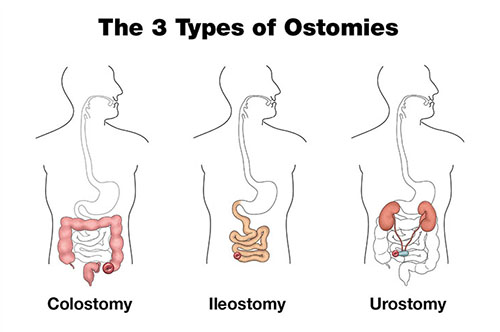
There are three types of a stoma. Two of these types divert feces away from the rectum and anus, while one diverts urine away from the bladder. The intestinal stomas are colostomy and ileostomy, while the urinary ostomy is called a urostomy.
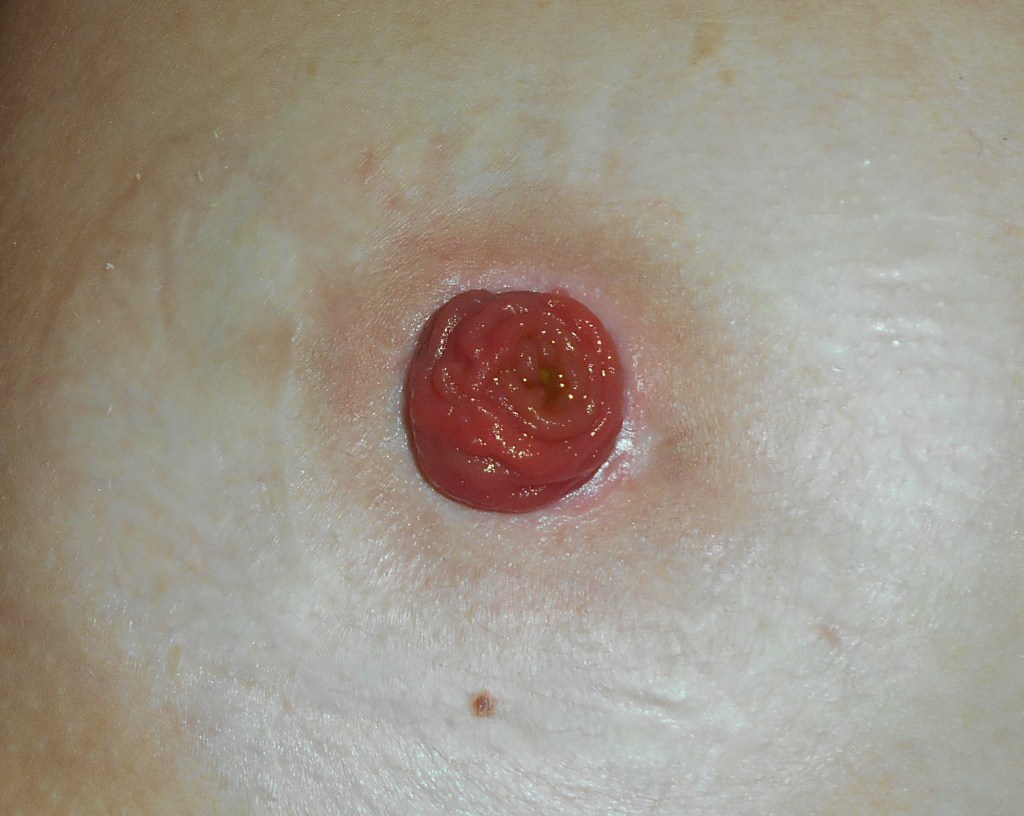
A stoma is pink and moist. It is usually swollen during the first few days after surgery, but the swelling subsides after 6-8 weeks. Since there are no nerves in a stoma, it won’t feel anything upon touching. Stomas can differ in shape and size.
Colostomy
The stoma created after bringing an end of the large intestine out through a cut in the belly is known as a colostomy. The surgeon stitches this end to the abdominal skin. Although it is generally on the left side of the belly, it can be on the right side in some cases. A colostomy may function two to three times a day. Since this stoma helps the patient retain a significant part of the colon, the stool passing out of the stoma is firmer.
Ileostomy
This stoma connects the end of the small intestine to the outside of the body. The surgeon brings the end of the ileum from the inside of the abdomen to the outside through a small cut to create this stoma. An ileostomy is generally on the right side of the abdomen. Since this stoma bypasses the entire colon, stools passing out of it contain a lot of moisture. That is why this stoma is more active compared to a colostomy. An ileostomy typically functions three to six times a day.
Urostomy
A urostomy is a stoma that diverts the passage of urine away from the diseased bladder. The surgeon usually takes a small piece of the ileum to create a conduit. He connects ureters at one end of the conduit, while the second end is brought out through a small incision in the belly to create a stoma. This stoma functions almost continuously throughout the day and night. If you have it, you have to wear an ostomy bag the entire day and night.
Temporary vs. permanent stoma
From the perspective of structure and function, a temporary stoma is usually similar to a permanent one. You will get a temporary stoma if your doctor finds out that your bowel needs to rest in order to recover from an underlying condition or injury. In that case, you will get a loop or end stoma. After your bowel recovers, the surgeon will conduct another surgical procedure to reverse the stoma.
A permanent stoma tends to become a permanent feature of your body. The surgeon will give you a stoma for a lifetime if your bowel has no chance of healing from a condition. The surgeon will disconnect the diseased part of the bowel and give you a stoma by bringing the end of the healthy bowel out through the abdominal wall. A urostomy is generally a permanent stoma.
 Ostomy Health Blog